About Ives Street

The best measure of a transportation system is how well it connects people to opportunities. People don’t use transportation for its own sake, they travel because they have somewhere to go. A guiding goal of any transportation system should be to make that travel more convenient. To maximize people’s ability to reach destinations. To maximize freedom.

Conventional approaches don’t get to the heart of the matter. Traditional techniques for evaluating transportation measure congestion on roads or ridership on public transport. Low congestion or high ridership aren’t always a sign of convenient travel: Sometimes high ridership means that people don’t have better options, sometimes low congestion means that there’s nothing worth driving to.

Our Capabilities

Ives Street’s Connectome approach provides unique insight. We give a comprehensive measurement of travel convenience for every individual in a large region. With a user-choice step at the trip level, the Connectome approach accounts for variations in income and physical ability among the population; it includes driving, public transport, walking, and bicycling; and it measures access not only to jobs but to all kinds of desirable destinations. We can use this model to help you understand your community as it exists today. And we can help you identify which change would give the biggest improvement to convenient travel per dollar spent. We don’t just measure speed, but how speed fits into the bigger picture.

We can help you understand your city more clearly.

Services

Traffic Forecasting

We specialize in lightweight traffic forecasting that includes the impacts of induced travel. Widening a road doesn’t just mean that traffic can flow faster – it also means that more drivers will take advantage of the new capacity, potentially causing new bottlenecks in other places. Conventional traffic models don’t always take induced travel into account, and when they do, their approaches are often expensive and take months to calibrate. Ives Street offers an alternative that’s quick, cost-effective, and accurate.

Multimodal Performance Metrics

Governments that plan and fund transportation projects often struggle to find a metric for evaluating potential projects. They need a metric that is fair, easy to calculate and communicate, allows comparison of projects affecting different modes of travel, and captures all the benefits of transportation to the people who use it. General access-to-destinations checks all the boxes. Ives Street specializes in developing methods for calculating this metric and configuring them to your community’s needs.

Analytical Planning

Combining our skills in clear communication, traffic analysis, and multimodal performance metrics, Ives Street offers analytical planning support for a wide range of efforts. Our in-house modeling software lets us iterate on planning alternatives in minutes, rather than weeks; and we communicate results in terms of what actually matters to the people living in a region – their ability to reach destinations. These approaches are equally applicable to a long-range strategic plan or a corridor study, to a small town or a major metropolitan region.

Portfolio

Ives Street supported an analysis of the GHG impacts of U.S. federal Surface Transportation Reauthorization

Federal Reathorization Bill GHG Analysis

Ives Street supported an analysis of the climate impacts of U.S. Federal Surface Transportation Reauthorization.

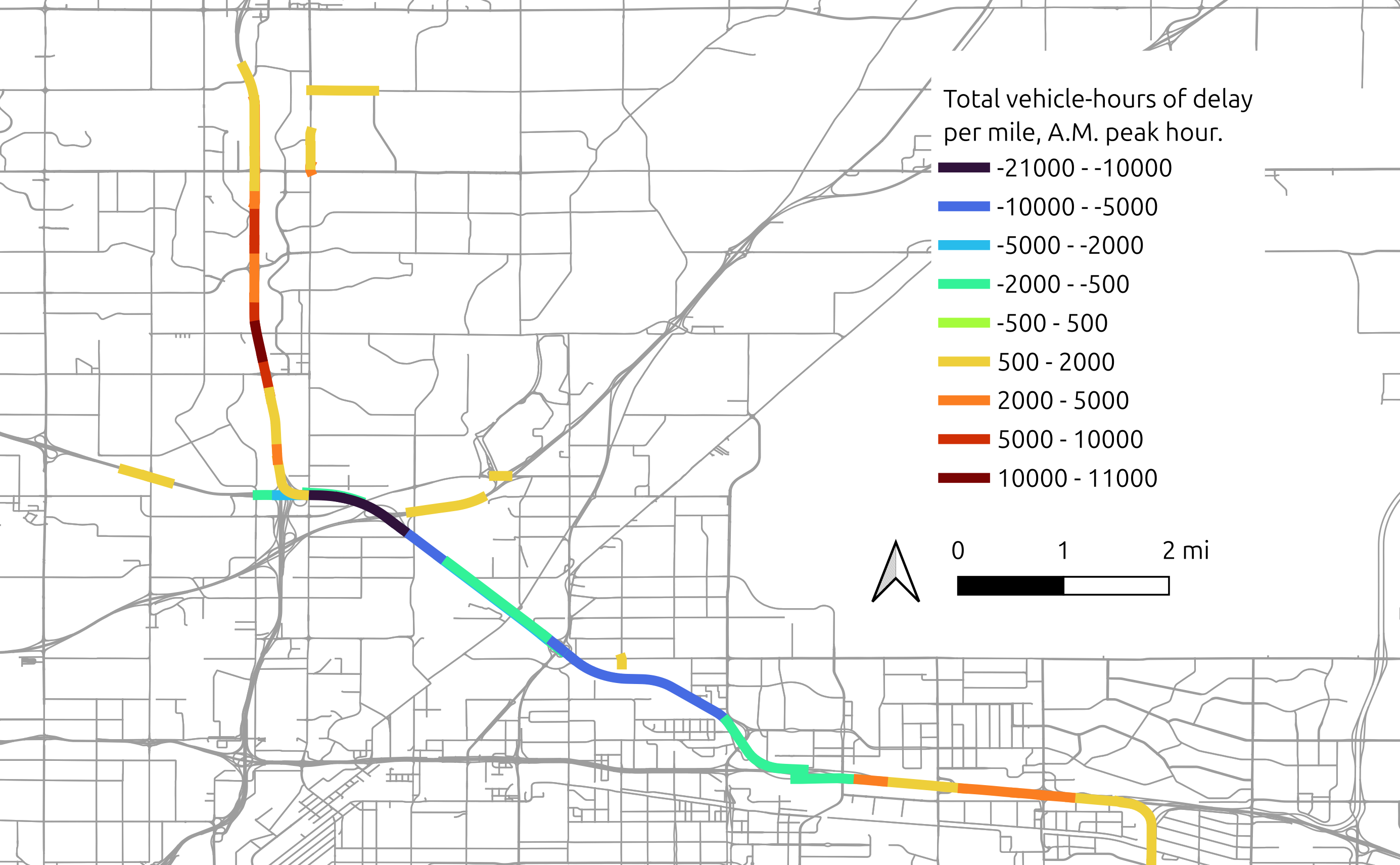
An independent traffic study of a potential Interstate widening in the Denver region, including induced travel.

I-270 Widening Study

An independent traffic study of a potential Interstate widening in the Denver region, including induced travel.

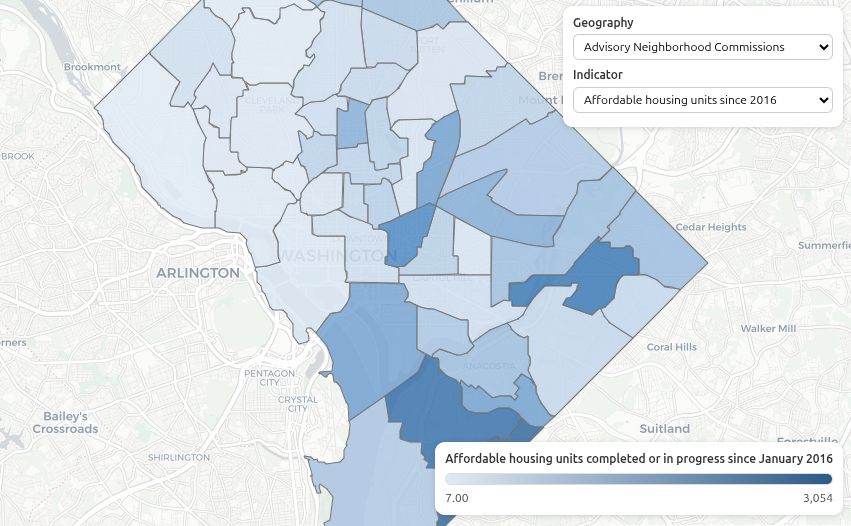
Ives Street is mapping neighborhood characteristics across D.C. to support comprehensive planning.

Neighborhood Mapping

In progress: Ives Street is mapping neighborhood characteristics across D.C. to support comprehensive planning.

Ives Street works on the Atlas of Sustainable Urban Transport, a global database of sustainable mobility

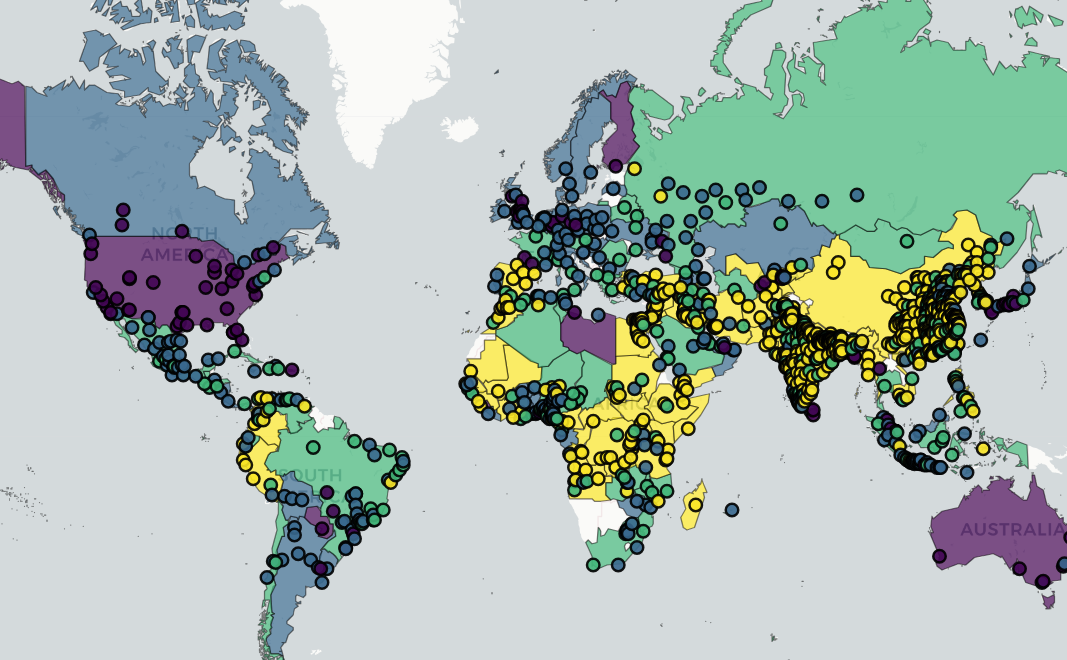
The Atlas of Sustainable City Transport

The world's most complete database of indicators of sustainable transportation.

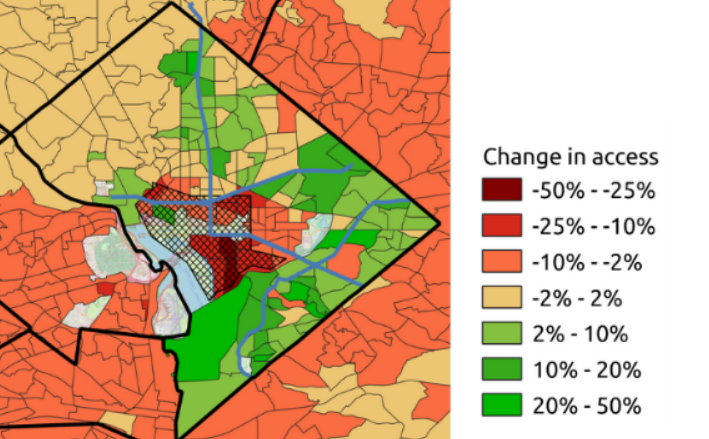
Ives Street used Urban Connectome access-to-destinations modeling to estimate the impacts of congestion pricing

Road Pricing Analysis

An assessment of potential road pricing in Washington DC, using the Urban Connectome.

We evaluated the impacts of bicycle lanes for emissions, economic benefits, and public health

Bicycle Lanes Impact Study

The first-ever empirical study of the impacts of bicycle lane networks in middle-income countries, focused on Bogotá and Guangzhou.


Trusted by:

Team

D. Taylor Reich

they/them

Principal

D. Taylor Reich headshot

A global expert in data analytics for transportation, Taylor Reich is the original creator of the Connectome tool and a leader in the operationalization of access metrics. They have led international projects on a wide variety of topics at the intersection of transportation planning and data, managing teams of diverse technical experts across continents. Their work has informed national decisionmaking in the USA, India, and Mexico, and has received media attention from outlets in over 20 countries, including the Guardian and the BBC. Taylor also sits on the Board of Directors of MobilityData, the international data standards organization for public and shared mobility.

Kauê Braga

he/him

Data Science Consultant

Kauê Braga headshot

Kauê Braga is a geospatial specialist with extensive experience in translating cutting-edge transportation analytics into clear visual analysis. His portfolio includes novel analytic approaches, large data pipelines, and visualization platforms for transportation and urban planning. Kauê has previously led major projects for international research collaborations and civic technology initiatives, while publishing new literature in access measurements. At Ives Street, Kauê contributes to the development of the Connectome model and helps calibrate it to the specific needs of individual cities.

Adam Davidson, Ph.D.

he/him

Senior Research Collaborator

Adam Davidson headshot

Adam Davidson, Ph.D., is an urban systems and mobility strategist with expertise in governance, data, and civic innovation. An urban planner and geographer by training, he helps public institutions adapt to technological and environmental disruption. His work bridges sustainable mobility, climate policy, and organizational change—connecting strategy to delivery through clear, implementable pathways. At Ives Street, Adam contributes research design, policy analysis, and governance insight to ensure Connectome-based work aligns with how cities make decisions and create durable change.

Contact

Contact us by email at [email protected]